The primary distinction between bath waste and shower waste lies in their respective functions: one facilitates the drainage of a bathtub, while the other is designed for a shower enclosure. Bath waste comes into play when water fills the tub, ensuring that any surplus water is efficiently drained out through an overflow hole in the plumbing system. Conversely, a shower waste operates differently by providing a means to direct the water from your shower into a distinct drain pipe within your household plumbing setup. Opting for a unified plumbing fixture that serves both purposes rather than utilizing separate types of fixtures could potentially enhance efficiency and streamline maintenance efforts.
 |
| Image Credit : Tapron.co.uk |
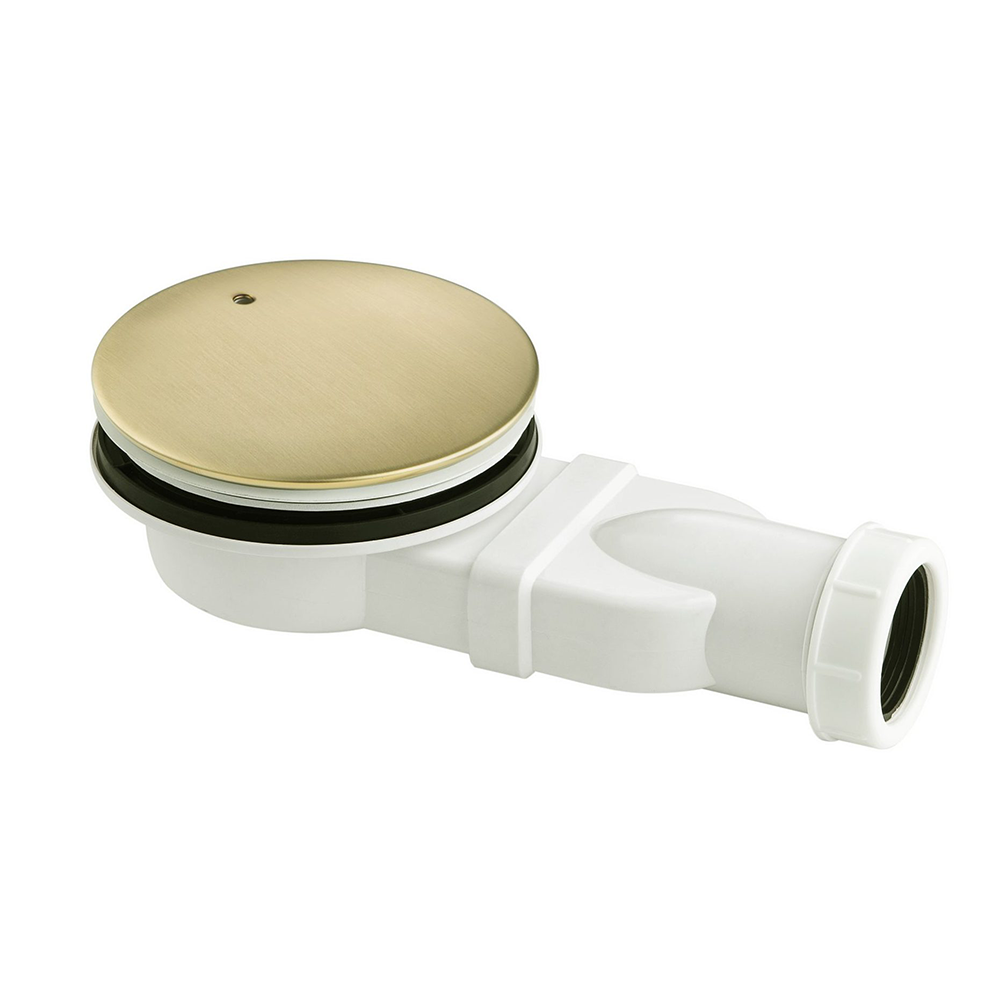
Bath waste and shower waste serve similar yet distinct functions in the realm of plumbing fixtures. Bath waste, designed for bathtubs, serves as a barrier to prevent water from seeping through the floor of the tub. Conversely, shower waste fulfills a similar role but is tailored for use in shower stalls typically found in bathrooms. Both devices share the common objective of conserving water, averting potential flooding, and mitigating related issues.
 |
| Image Credit : Goldbathroom.uk |
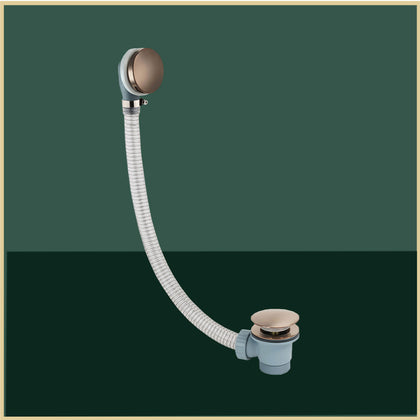
Typically constructed from plastic or brass and affixed to the tub or shower drain using a rubber gasket, these waste systems come in various shapes and sizes to accommodate diverse needs. Bath waste is particularly handy when you wish to fill your bathtub with water but wish to prevent further water discharge once it reaches a desired level.
 |
| Image Credit : Goldbathroom.uk |
Bath waste encompasses different styles and mechanisms, with the two most prevalent types being push-pull and pop-up. The push-pull variety, also referred to as ball levers, features a rounded ball affixed to the handle. Operating this type involves pressing on the ball while simultaneously pulling up on the stem to open or close the drain. On the other hand, pop-up handles resemble levers or hooks but incorporate an internal mechanism that triggers the descent of a rubber flap over the drain when activated.
Functioning as a pivotal component in regulating water usage during baths or showers, bath waste systems typically incorporate a lever mechanism to control water flow. Some models may include additional features such as diverters and mixers, enabling users to blend hot and cold water streams at varying temperatures, thereby achieving their preferred water temperature.
 |
| Image Credit : Tapron.co.uk |
A shower waste serves as a vital component of your shower's plumbing system, connecting to the existing pipework and enabling the selective flow of either hot or cold water. Particularly beneficial during central heating system issues, this device effectively halts the passage of warm or cool water, providing a practical solution to temperature-related plumbing problems.
 |
| Image Credit : Tapron.co.uk |
In our exploration of the differences between bath, basin, and shower waste, it's important to delve into the specifics of shower wastes. If you're curious about understanding shower wastes in detail, you can refer to this comprehensive guide. It provides valuable insights into the functionality and types of shower wastes, which can further enhance your understanding of bathroom plumbing. link - https://tapron.co.uk/blogs/news/shower-wastes-explained
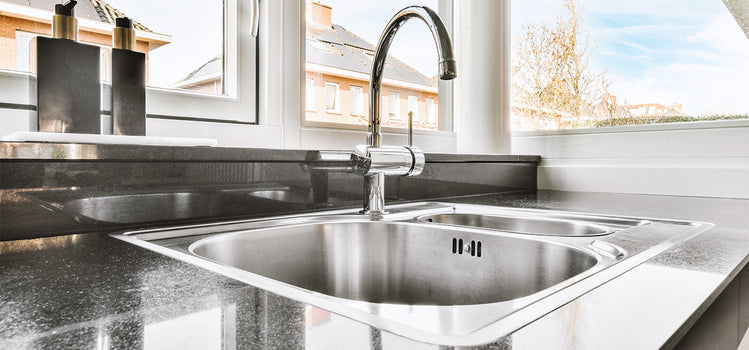
On the other hand, a basin waste, also known as a pop-up waste, assumes a crucial role in sink functionality by facilitating the drainage of water. Installed within the sink, this plumbing fixture affords the convenience of sealing the drain hole when not in use, thereby minimizing the risk of clogs and overflow. This enhancement not only promotes sanitation but also ensures greater convenience for users, enhancing the overall utility of the sink.
Functioning as an overflow mechanism for bathroom sinks, the basin waste plays a pivotal role in preventing water leakage when the sink is not actively in use. By employing a plastic plug to block water flow, the basin waste effectively regulates water discharge, allowing for seamless operation. When the faucet handle is activated, the plug pops up to facilitate normal water usage, ensuring efficient drainage. Upon faucet deactivation, the plug swiftly returns to its original position, preventing any potential leaks or overflow.
Crafted from durable materials such as brass or plastic, the basin waste is engineered to facilitate unimpeded water flow down the drain. Its innovative design incorporates a U-shaped channel that channels water into the underlying pipe, optimizing drainage efficiency. Moreover, the inclusion of an overflow plate further enhances functionality by preventing excess water from spilling over, safeguarding floors and walls against potential damage caused by overflow.
 |
| Image Credit : Tapron.co.uk |
A basin waste serves as a vertical conduit that facilitates the drainage of water from your sink, extending from the floor to the base of the basin. While its operation may not be as conspicuous as a toilet flush, its functionality remains crucial, particularly in managing water flow during various activities. Should the need arise to halt water flow temporarily, a basin plug can be employed, offering practical assistance during cleaning tasks or home plumbing maintenance.
Functioning as a pivotal component of the drainage system, a basin waste effectively regulates water flow, preventing floor damage and minimizing water wastage. Its simple yet efficient design features a small opening that allows water to drain out, while any waste material is directed into the sewer or septic tank, rather than accumulating in the sink or drainage system. This not only promotes environmental sustainability but also reduces detergent usage during dishwashing activities.
The basin waste plug, commonly utilized in both commercial and residential settings, assumes a critical role in maintaining optimal drainage functionality. Its primary function involves preventing water backflow into the drain once it reaches the end of its journey down the pipe. Regular utilization of the basin plug is essential to uphold drain efficiency, and these essential accessories are readily available at local hardware stores or plumbing supply outlets.
Integral to bathroom fittings, basin waste contributes significantly to sanitation practices by curbing the transmission of germs and bacteria between individuals. This indispensable fixture finds widespread application across various settings, including household bathrooms, institutions, and commercial establishments such as hospitals and hotels. Compatible with a diverse range of basin materials, from ceramic to marble or stone constructions, basin wastes offer universal utility and reliability in maintaining optimal hygiene standards.
 |
| Image Credit : Goldbathroom.uk |
In understanding the differences between bath, basin, and shower waste, it's essential to consider the various types and styles of fixtures used in bathrooms. Basin taps play a crucial role in both functionality and aesthetics. If you're interested in learning more about the different types and styles of basin taps, you can check out this comprehensive guide to basin taps. It provides valuable insights into choosing the right taps for your bathroom. Check out the link here : https://goldbathroom.uk/blogs/news/basin-taps-guide-gold-bathroom-uk

No comments:
Post a Comment